To till or not to till, that is the question

We have 80 acres of prevented planting acres we planted oats and tillage radish on last summer. We didn’t get our corn planted timely enough last spring in this field because it is very wet. It is not tiled very well.

The oats and tillage radish did their job beautifully. They winter killed and the ground feels bouncy and moist. The top layer looks and feels much better than before we planted a cover crop on it.

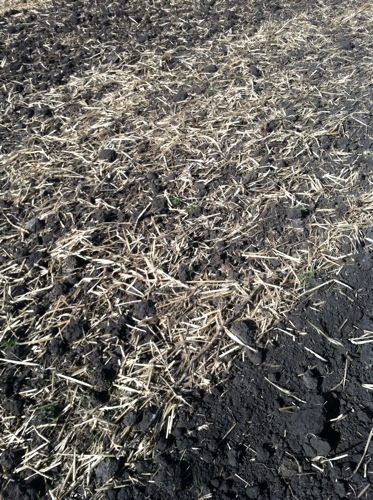
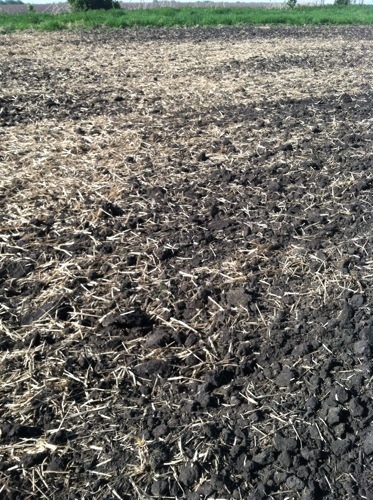
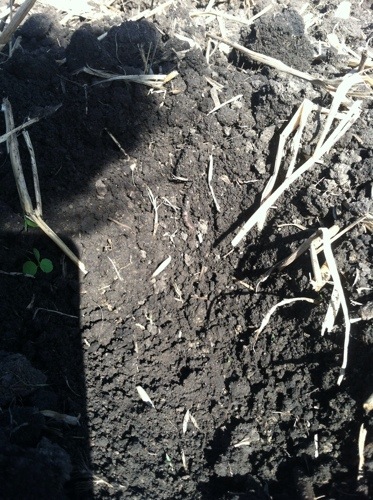
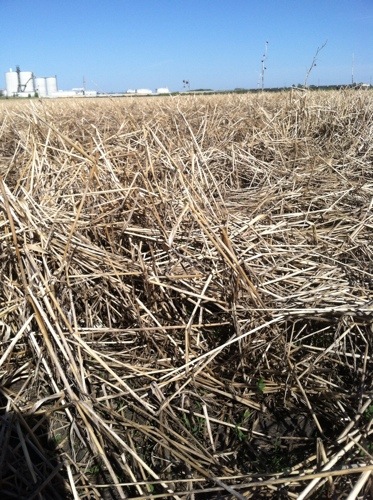
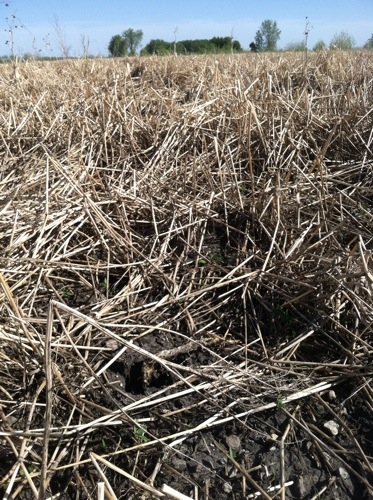
We normally lightly till our soybean stubble to create a fluffy seed for our corn. We tried doing this over the oat stubble and it clogged up the soil finisher. So then we went over it with a disc to cut up the oat straw residue, but then we had clumps. So we went over it one more time with the soil finisher and this is what we got:
20140522-171932-62372513.jpg

20140522-171936-62376399.jpg

20140522-171934-62374871.jpg

We made the mistake of running the cover over with the soil finisher. We did this to 40 acres of the field. We still have the other 40 acres that sit inside the railroad loop next to the ethanol plant that is more wet than the other 40 acres.

I called cover crop expert, Sarah Carlson at Practical Farmers of Iowa, and she suggested no-till the whole thing. She put me in touch with some other PFI farmer members who have experience with planting corn into cover crop residue and the concensus is to no-till plant corn into the residue. We are nervous about this because one, the soil is wet and we are worried about side wall compaction and soils seed contact. Two, because we are new to cover crops and have never no-tilled corn into residue like this before.

What the experts and experienced farmers say sounds great, but I wish they could see what type of soil and wetness we are looking at. I am sure they would tell us to turn it into CRP ground or create a wildlife refuge. We do have hay ground next to it and it works well, so maybe that is the answer.

This is what the oat stubble looks like. The soil under the feet feels bouncy. It’s hard to swallow the fact that we may have ruined any progress we made with our compaction issues when we tilled it 3 times.
20140522-172924-62964077.jpg

20140522-172918-62958530.jpg

Oats

On April 19, my dad asked me, “ready to plant oats?”. I was thrilled but freaked out! Thrilled because I’ve been bugging him all winter to give me the opportunity to add a different crop into our rotation and to plant some oats. It also meant that he was giving me the green light to transition the 27 acre field next to my house to organic. A big step in the opposite direction of a conventional farming.

I was freaked out because he sprung his decision on me quick and I had to make some very fast phone calls to get my oat and alfalfa seed and organize the drill and disc. I didn’t get the seed I originally wanted, but I got what I needed. It was a good thing too because it was the day before Easter Sunday and we had a window of opportunity to plant oats. It rained and was cold for the next month.

It took a good 2-3 weeks for the oats to come out of the ground. When they did, I found some areas that weren’t planted. They were partially drilled in the dark with no GPS, so it literally was a shot in the dark. So I ended up with areas like this:

20140518-172031.jpg

So a few days ago, my dad’s cousin Doug, and I went out and seeded oats and alfalfa by hand then pulled an old harrow behind the Ranger to incorporate it. We hope it got seeded and it comes up. I cannot spray any chemicals on this field anymore, so the better the coverage of oats and alfalfa the better it creates competition for the weeds.

This 27 acres is my experiment into organic farming. Weeds will take more and different efforts to control. I’d like to eventually experiment with cover crops and intensive rotational grazing on it too.

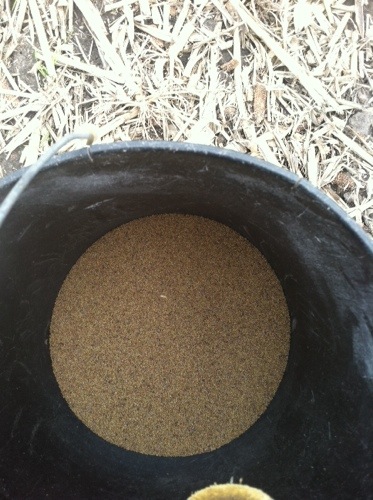
Below is a bucket of alfalfa seed I was flinging out by hand.

20140518-172951.jpg

20140518-173022.jpg

Above is the oat and alfalfa seed sitting on the soil. A good rain would help incorporate it too, but rain was spotty that day. The night after this photo was taken, the temps got down to freezing.